Box Speed vs. Overexposing Film: Should You Shoot Portra 400 at 200?
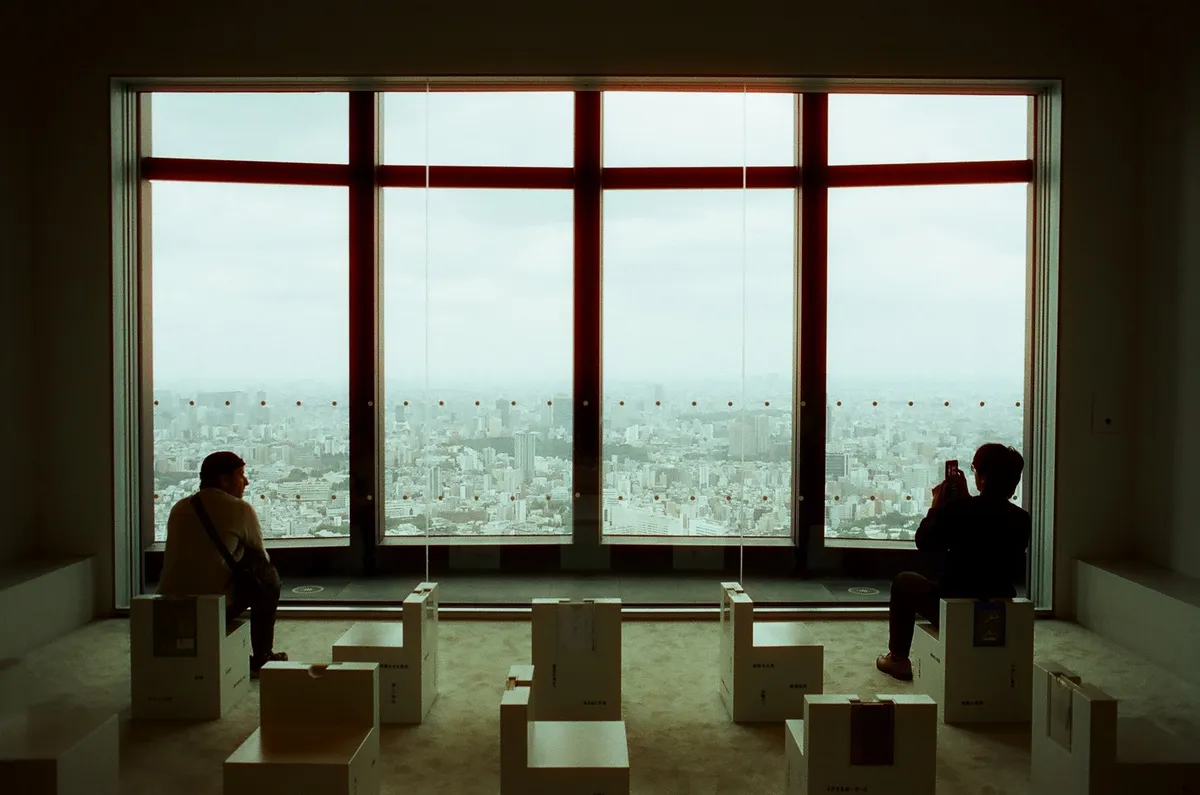
In my Nikon FM2 review, I mentioned that when I load a roll of Portra 400 or CineStill 400D, I usually set my ISO dial to 200 instead of 400, overexposing by a stop. A common question is what “box speed” actually means, why so many film shooters overexpose, and the honest pros and cons of both approaches.
First, the vocabulary
Box speed is just the ISO the manufacturer prints on the box. Portra 400 is rated at 400, so “shooting at box speed” means metering it as ISO 400, exactly as designed.
Overexposing (or “rating it slower”) means telling your meter the film is slower than it is. Set Portra 400 to ISO 200 and your meter lets in twice as much light, one stop of overexposure, on every frame. You’re not changing how it’s developed, just how much light hits it.
Worth clearing up one common mix-up: this is not the same as pushing or pulling film. Pushing means underexposing and then developing longer to compensate; pulling is the reverse. Rating Portra at 200 and developing it normally (C-41) is simply overexposing. No special lab instructions needed.
Why film “loves” overexposure
Here’s the physics that drives the whole thing: color negative film is lopsided in how it handles exposure errors. It holds up to roughly five or six stops of overexposure before you lose real detail, but only about two to three stops of underexposure. Unlike digital, overexposed color negative doesn’t blow its highlights into unrecoverable white, the information is still on the negative. That’s why the old saying goes: expose for the shadows. When in doubt, you are almost always safer erring on the “over” side than the “under” side.
That asymmetry is the foundation of the pro-overexposure camp. But it isn’t the whole picture.
The case for overexposing (rating it slower)
Pros:
-
Richer shadows. More light means the darker parts of your scene actually record detail instead of falling into muddy, grainless black. This is the biggest reason to do it.
-
Finer grain, smoother look. A denser negative renders smaller, less visible grain, that clean, creamy quality people associate with well-shot Portra.
-
A built-in safety margin. If your metering is off, or you’re shooting fast at an event, a stop of overexposure is cheap insurance against the far worse problem of underexposing.
-
More to work with when editing. A dense, flatter negative gives you more room to dodge, burn, and grade in post, especially in high-contrast light.
Landscape shooters lean into this hard, deliberately rating their film a stop or so over to hold detail from deep shadow all the way up to a bright sky.
Cons:
-
Softer, flatter color. Overexposure trades some contrast and saturation for smoothness. In already-flat light, that can leave your images looking washed out and lacking punch.
-
It gets worse past ~2 stops. Beyond about 1.5–2 stops, color crossover creeps in, tonal separation narrows, and overall quality starts to degrade. Modest overexposure = good; heavy-handed = mush.
-
No benefit for lab scans. If a lab scans your film, their software already adds contrast automatically, so a lot of the “editing headroom” argument disappears unless you scan and edit yourself.
The case for shooting box speed
Pros:
-
Modern films are tuned for it. Current emulsions like Portra are far more refined than the stocks that made overexposing popular. They simply look their best at their rated speed, straight off the scanner.
-
Best-looking results with no fuss. If you want punchy contrast and accurate color without editing, box speed is often the shortest path there.
-
Consistency. Meter it as labeled and you get predictable, repeatable exposures, one less variable to babysit, which matters when you’re still learning.
Cons:
-
Less shadow safety net. At box speed you’re closer to the underexposure cliff, so metering mistakes hurt more, and underexposed color negative gets muddy and grainy fast.
-
Tighter margins in contrasty scenes. In harsh light with deep shadows, box speed gives you less recoverable detail down low than a deliberate overexposure would.
So which should you do?
The “always overexpose” advice is real but overstated. Overexposing pays off most when you’re shooting high-contrast scenes and editing your own scans, where the extra shadow detail and headroom actually get used. Box speed makes more sense when you’re handing film to a lab and want the cleanest, punchiest look with zero extra thought, modern film delivers that at its rated ISO.
Two things hold true either way: a single stop of overexposure is safe and often flattering, and going much past two stops is where things fall apart.
What I actually do
For Portra 400 and CineStill 400D, I rate them at 200, one stop over. I like the softer, filmic shadows it gives; I shoot a lot in mixed and contrasty light, and honestly the safety margin has saved frames when I was moving quickly. It’s a one-stop habit, not a two-or-three-stop one, which keeps me right in the sweet spot.
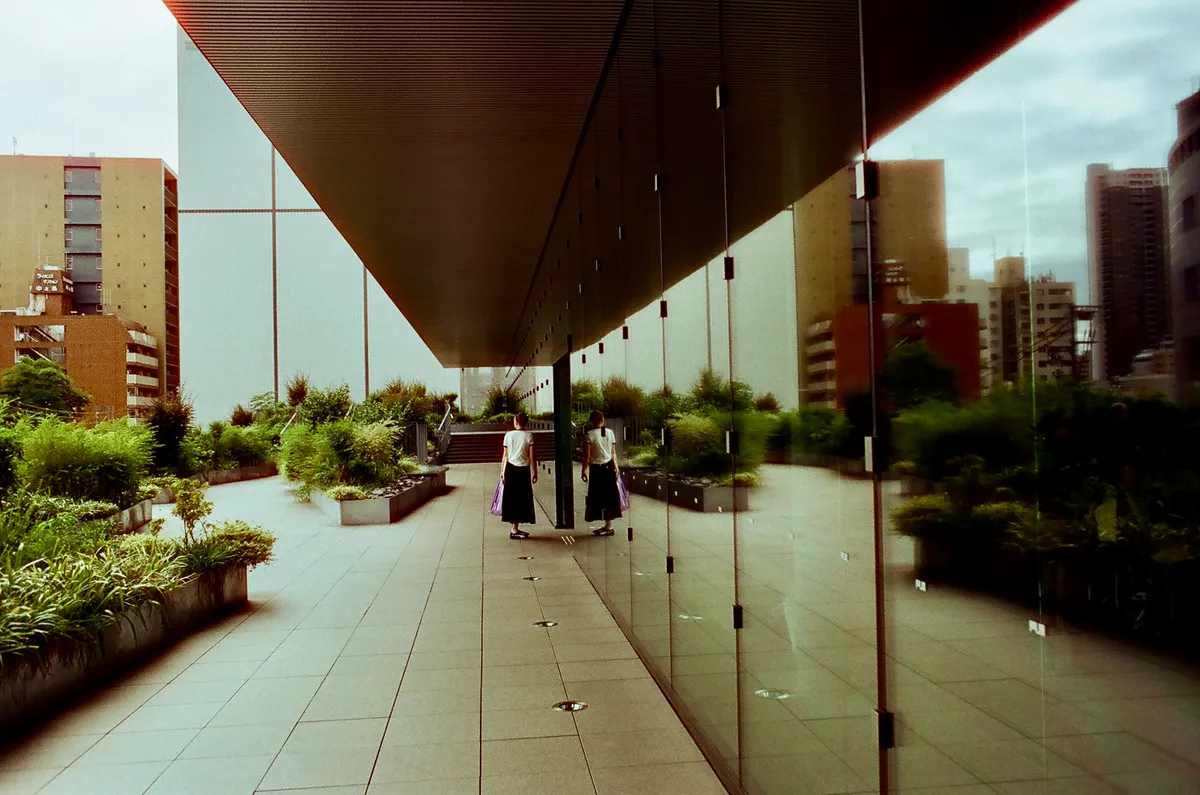
If you’re brand new, here’s my suggestion: shoot your first roll or two at box speed so you learn what your meter and film actually do at their rated speed. Then try a roll rated one stop slower and compare the scans side by side. Your eye will tell you which look is yours, that’s the whole point of shooting film anyway.
If you’re setting your ISO on a Nikon FM2 like me, I covered the dial and the built-in meter in my full FM2 review. You can also grab the Nikon FM2 on Amazon here. Stock-specific reviews of Portra 400, CineStill 400D, and Ektar 100 are coming next.