teamLab Borderless: How to Photograph It (Long Exposure Guide)
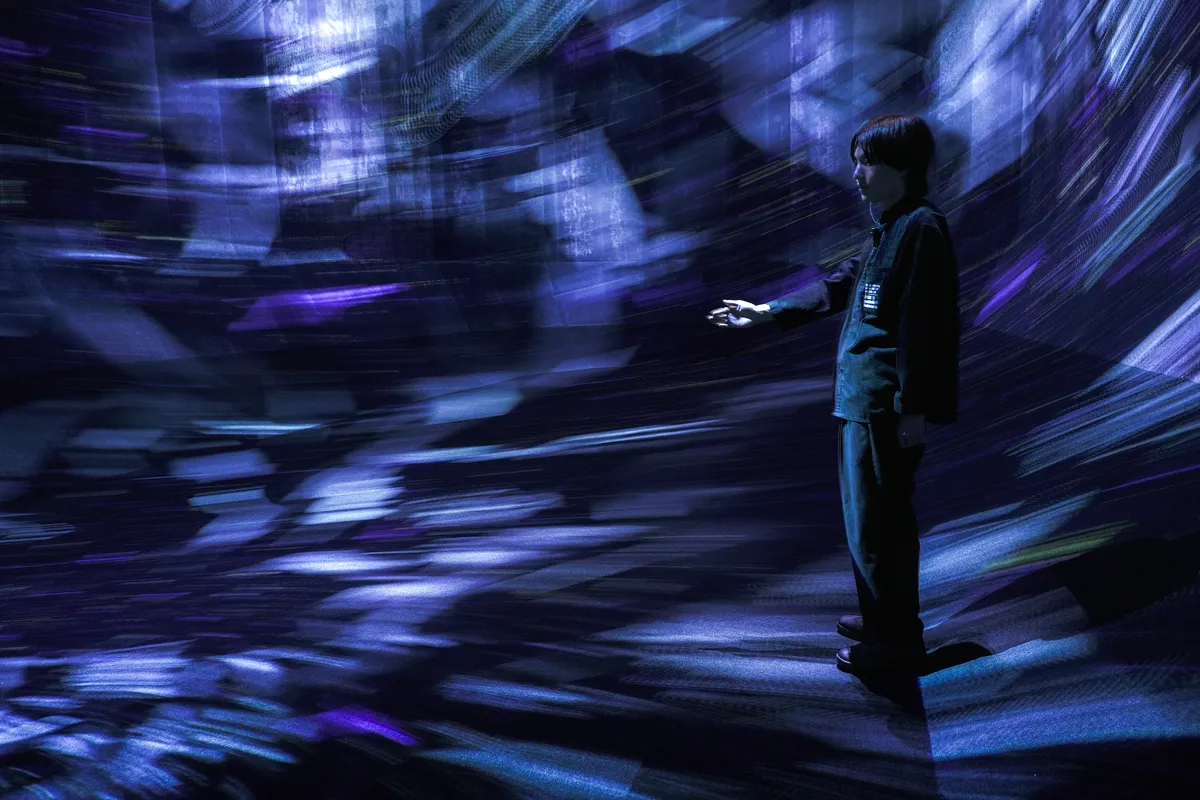
teamLab Borderless might be the most photogenic room in Tokyo, and most people walk out with photos that don’t come close to what their eyes saw. The secret isn’t a better camera. It’s a slower shutter. Every one of the images in this post is a two-to-three-second exposure, shot handheld, which turns the museum’s constantly moving light into flowing rivers of color while the people standing in it stay just present enough to anchor the frame. Here’s what teamLab Borderless actually is, how to visit it, and exactly how to photograph it the way it deserves.
What teamLab Borderless is
teamLab Borderless is the MORI Building Digital Art Museum, a vast, maze-like space in Tokyo filled with immersive digital artworks projected across floors, walls, and ceilings. The “borderless” part is literal: the artworks aren’t confined to rooms. They wander, flow between spaces, spill down staircases, and interact with each other and with you as you move through. There’s no set route and no map, on purpose. You’re meant to get lost.
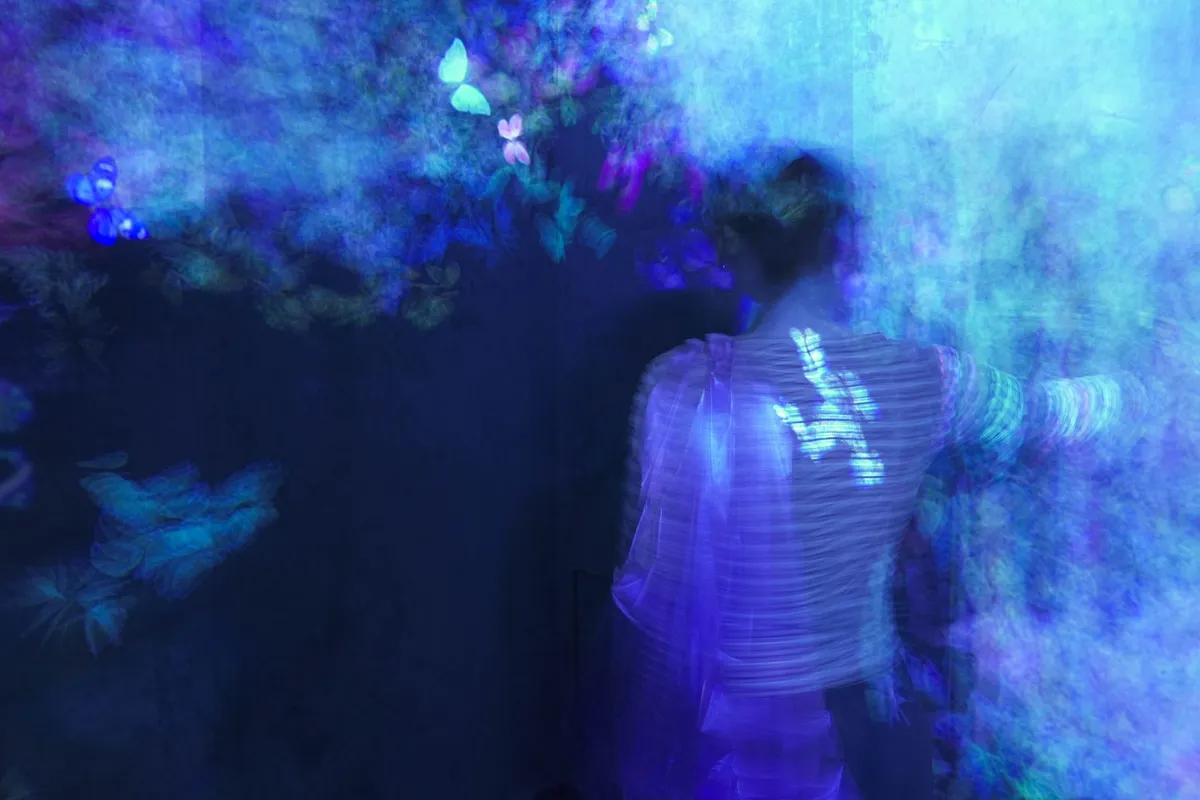
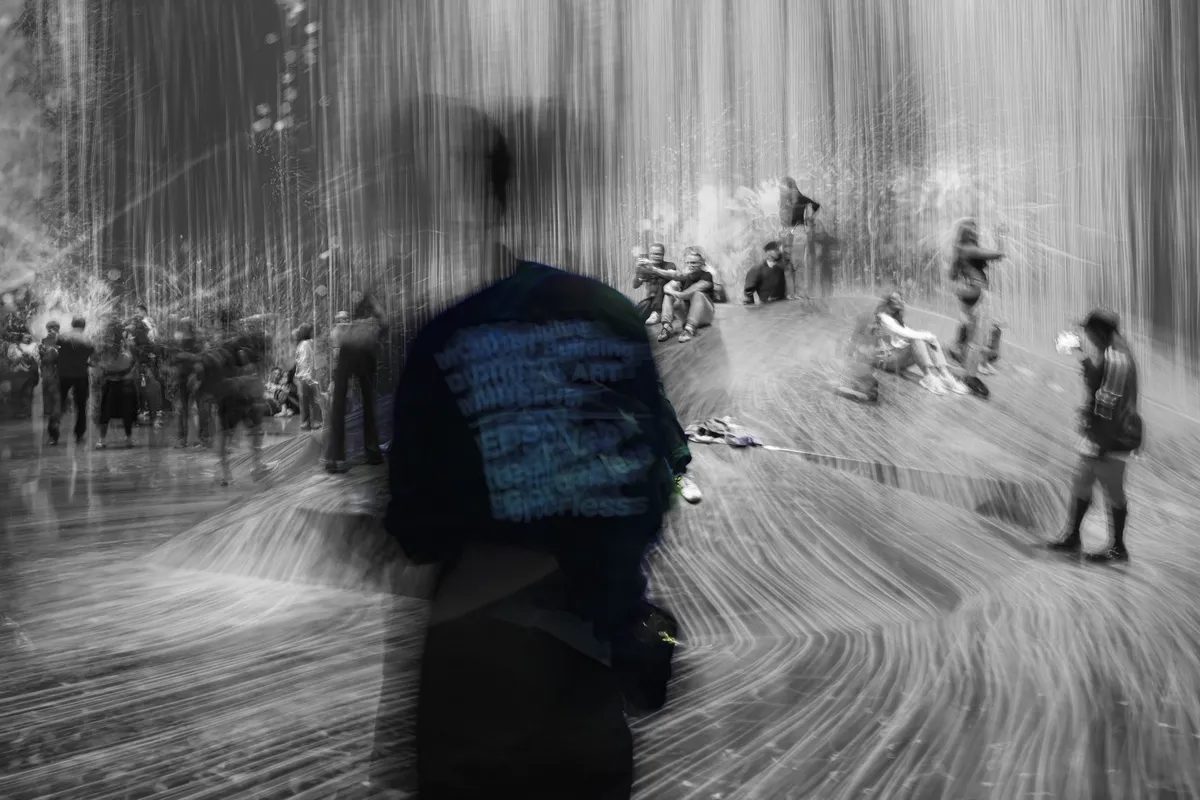
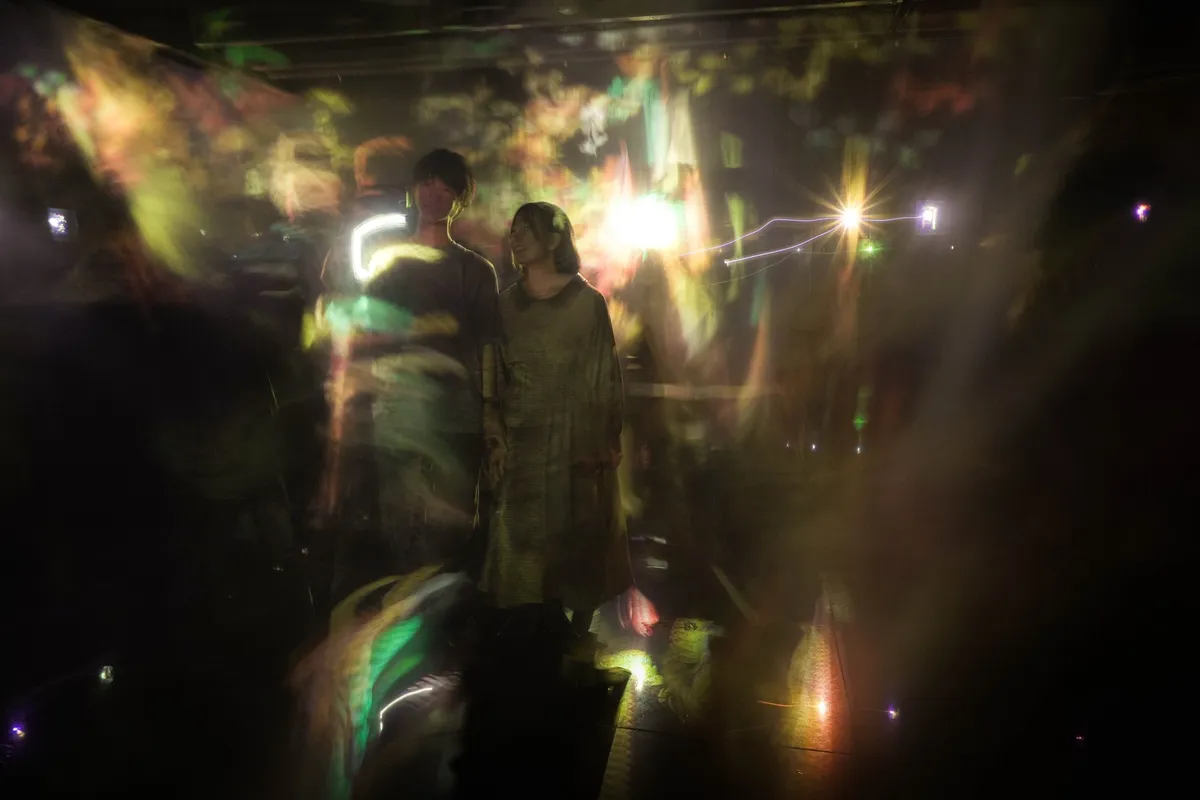
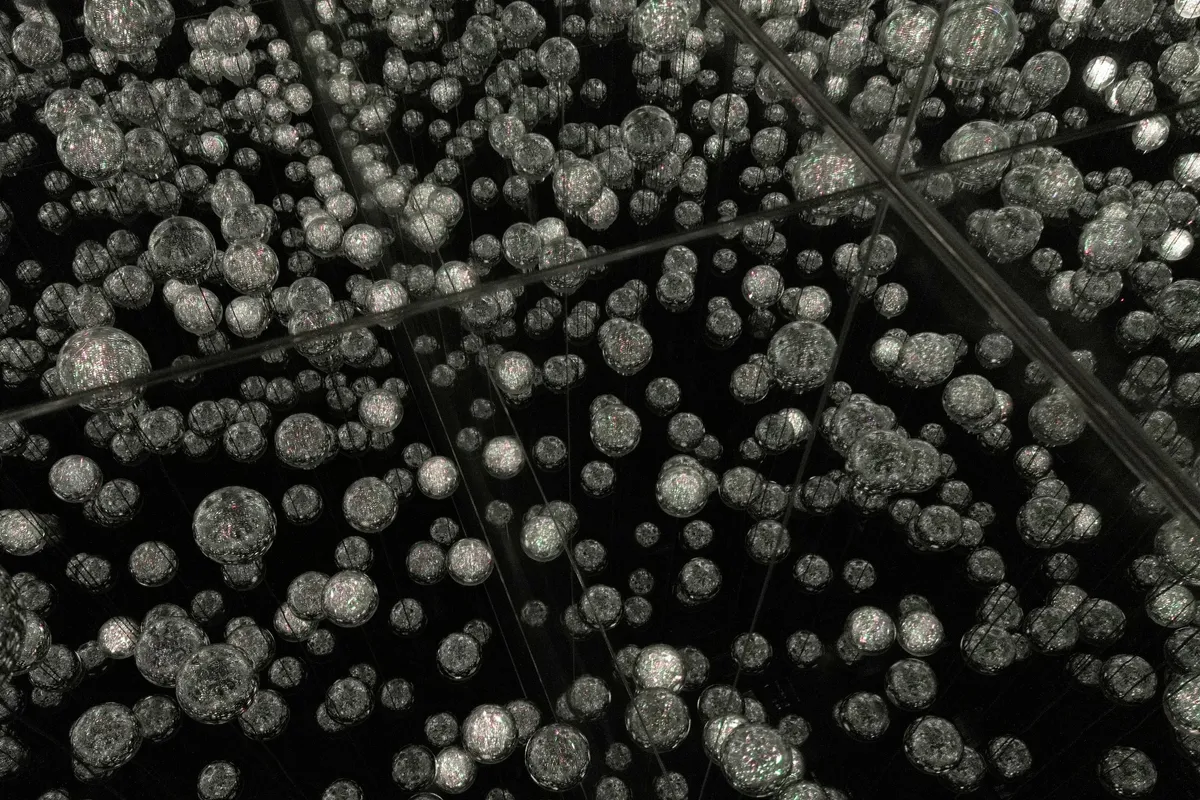
It reopened in February 2024 at Azabudai Hills in central Tokyo, after its original Odaiba location closed, so if you’re working off older directions, note that it’s moved. Inside you’ll find the famous set pieces: a thundering digital waterfall you can sit inside (Universe of Water Particles), a mirrored forest of hanging lamps that light in sequence, rooms full of drifting flowers and butterflies, and mirror-floored chambers of floating spheres and crystal light that seem to go on forever.
Borderless or Planets? (they’re different places)
This trips people up constantly, so quickly: teamLab runs two major Tokyo attractions, and they’re separate venues.
-
teamLab Borderless (Azabudai Hills) is the wandering, maze-like one where the art moves between rooms. It’s the more disorienting, exploratory experience.
-
teamLab Planets (Toyosu) is the barefoot one, you wade through actual water and soft terrain, and it’s more of a set path.
If you only do one for photography, Borderless gives you more variety of scenes and more of that flowing-light quality. Many people who love it end up doing both on separate days.
Tickets and what to know before you go
-
Book timed tickets in advance. Entry is by date-and-time slot and it regularly sells out, sometimes days ahead. Don’t count on walking up.
-
Give yourself 2–3 hours. It’s bigger and more disorienting than you expect, and rushing it defeats the point.
-
Wear pants and comfortable shoes. Several rooms have mirrored floors, so skirts aren’t ideal, and you’ll be on your feet wandering for hours.
-
Go on a weekday if you can. It’s popular; fewer people means cleaner frames and more room to set up a shot.
How to photograph it: the long-exposure approach
This is where most visitors leave magic on the table. The instinct is to shoot fast to “freeze” the scene, but the art is made of motion, so freezing it flattens it. Slow down instead.
Everything here was shot at 2–3 second exposures. At that shutter speed, the moving projected light smears into those long, painterly streaks, and the whole frame turns abstract and alive. A few specifics that make it work:
-
Shoot handheld and lean into the motion. teamLab doesn’t allow tripods or selfie sticks anyway, so handheld is the only option, and at 2–3 seconds, that’s a feature, not a bug. I shot every one of these by hand, letting the camera’s stabilization hold a figure just legible while my own micro-movements and the moving light blur into those painterly streaks. Tuck your elbows in, exhale as you press the shutter, and fire several frames of each scene, you’re fishing for happy accidents, and no two will ever be alike.
-
Drop your ISO and let the shutter do the work. Keep ISO low (100–400) for clean files, close the aperture a bit, and let the long shutter gather the light and the movement.
-
Anchor the frame with a still person. A person who holds relatively still stays semi-sharp while the light streaks around them, that contrast between a solid figure and flowing color is what makes these images read. Ask whoever you’re with to pause for a beat.
-
Shoot the moving rooms. The waterfall, the sequencing lamp forest, and the flower/butterfly rooms give you the most dramatic motion. Static installations look great too, but the moving ones are where long exposure earns its keep.
-
Embrace the blur, don’t fight it. Some frames will be pure abstraction, some will keep a recognizable figure. Both are valid. Lean into the fact that no two exposures here are ever the same.
The gear, for the curious: I shot all of these on a Sony A7C II, which handled the near-dark and the deep colors beautifully. (I’m putting together a full review of that camera, this shoot was a real test of it.)
Make it part of a Tokyo trip
teamLab Borderless sits inside Azabudai Hills, one of Tokyo’s newest development complexes, so you can build a whole afternoon and evening around it without leaving the area. Two spots right nearby are worth folding in:
-
FAMIMA PARK Azabudai, a brand-new, futuristic flagship convenience store creative-directed by NIGO (of A Bathing Ape and Human Made). It reimagines the humble Japanese konbini as a design destination, and it’s quickly become a little attraction in its own right, worth a look, and a snack, whether or not you’re into design.
-
Pace Gallery, the Tokyo outpost of the major international contemporary art gallery, which opened here in 2024. It’s a calm, free way to see world-class contemporary work a few steps from all that digital spectacle, a nice tonal counterpoint to teamLab.
Together they make Azabudai Hills an easy half-day of art, design, and food that pairs perfectly with your teamLab time slot.
I’m a landscape and cityscape photographer based in Portland, and places like this, where the whole environment is moving light, are exactly the kind of thing a long exposure was made for. If you go, slow your shutter down and give yourself permission to make a few beautiful accidents.