Kodak Portra 400 Review: Warm, Nostalgic, Worth It
Kodak Portra 400 is the film I load when a moment matters. It’s a professional ISO 400 color negative film, part of Kodak’s Portra line that was originally built for portraits and weddings, and once you see a roll come back, you understand why people are obsessed with it. Here’s my honest take after shooting it, what it’s actually good at, and when I reach for it.
The look
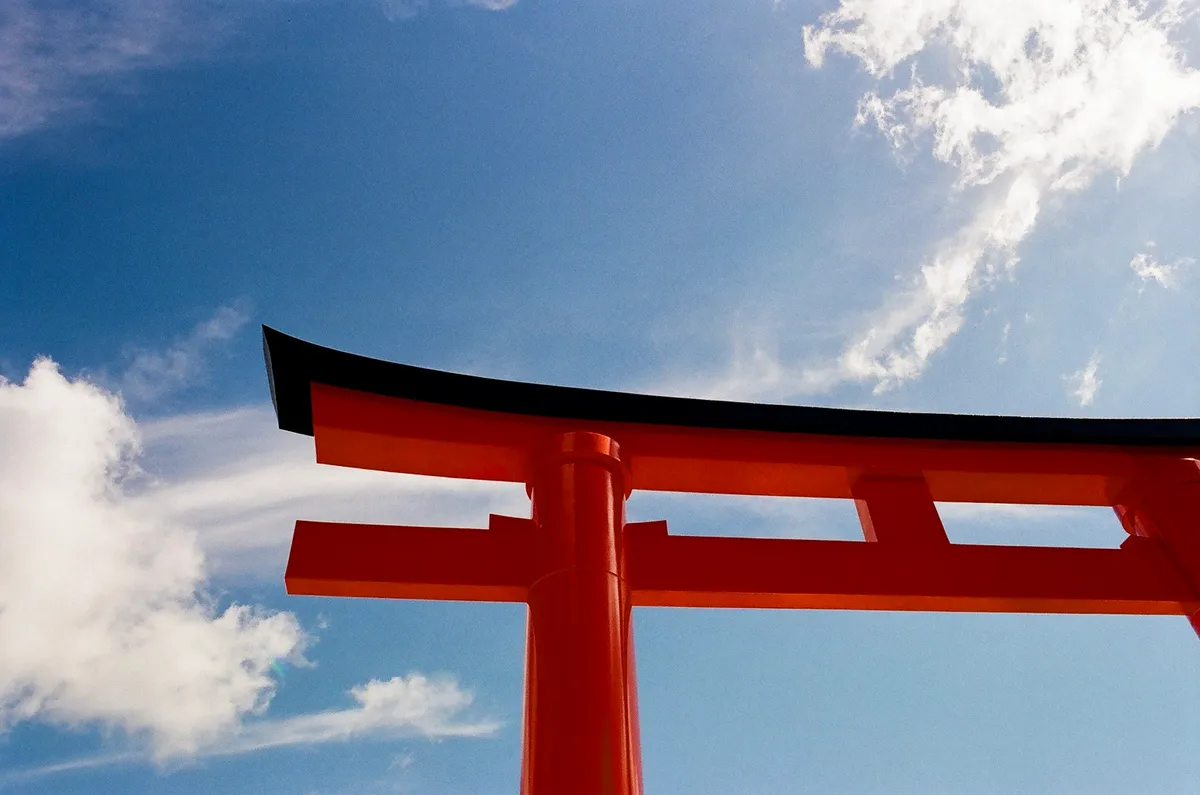
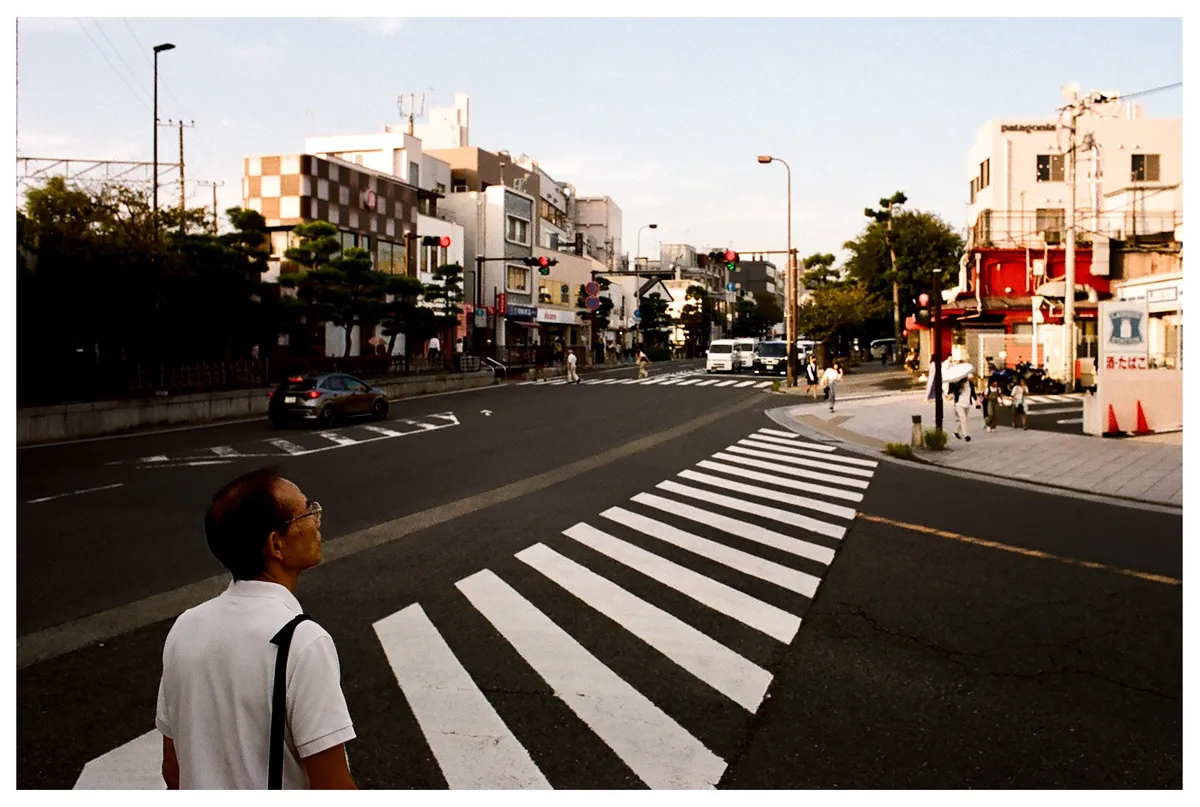
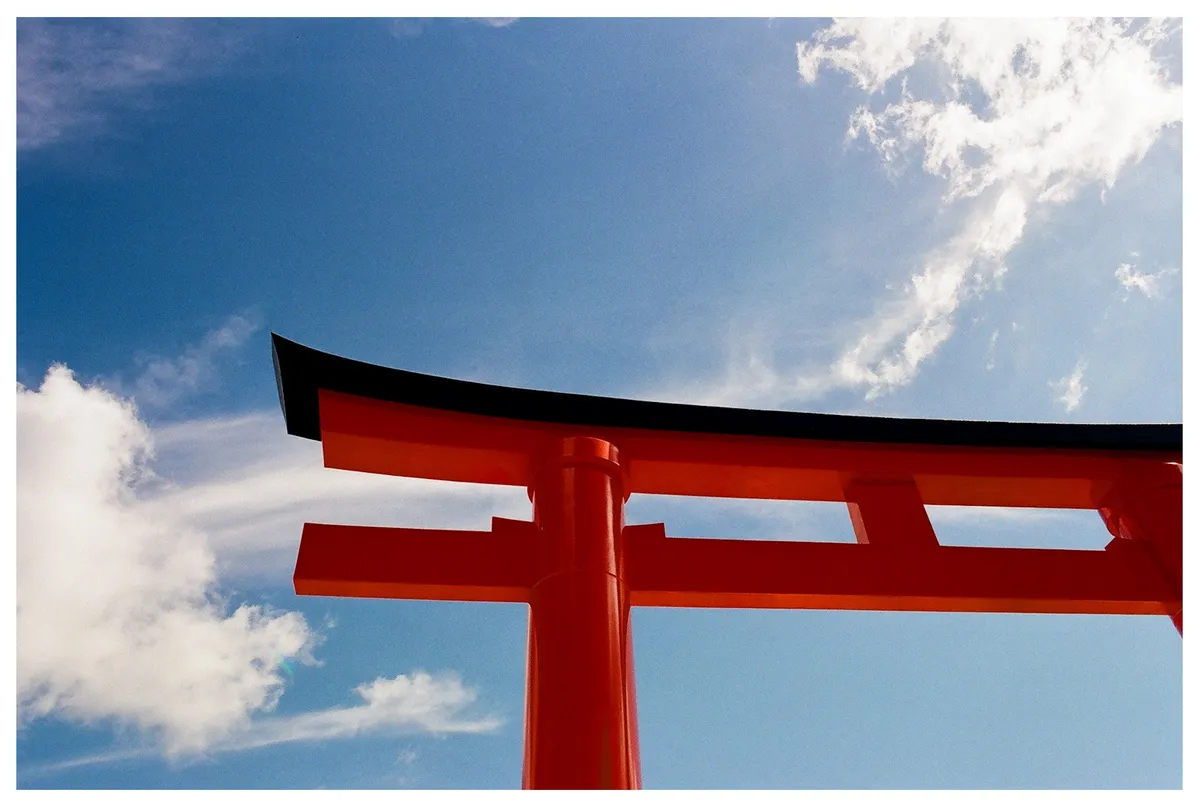
The first thing I notice on a Portra 400 scan is how warm and nostalgic it feels. The color temperature runs warm, the light comes out soft, and the whole image has this gentle, remembered quality to it. It’s the closest thing I’ve found to what a good memory actually feels like.
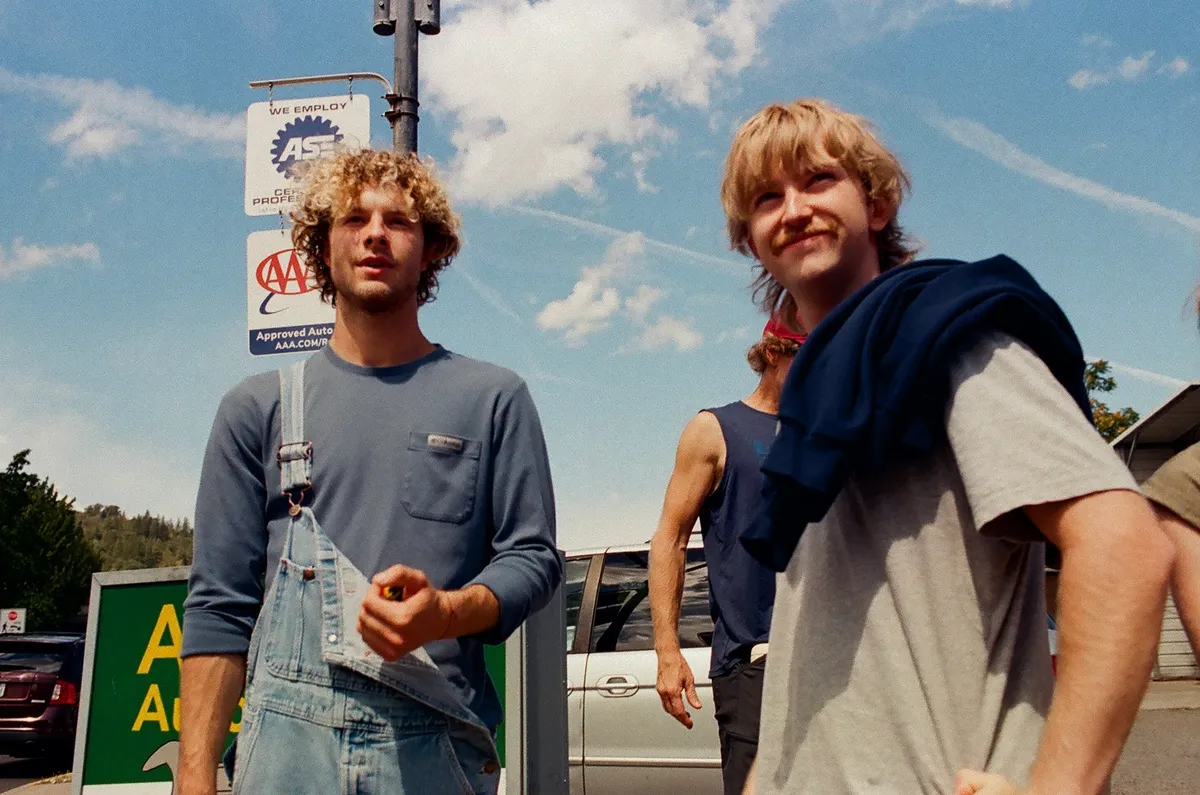
It’s especially good with people. Portra makes skin look a little more tan, like people soak up the light in the frame. That’s a big part of why it earned its reputation for portraits, and it’s why it still gets loaded for weddings and fashion decades after it came out.
Technically, it’s a C-41 color negative film with fine grain and a really wide exposure latitude, which is a fancy way of saying it’s forgiving. You can miss your exposure by a bit and still get something usable, and it holds highlight detail better than most.
How I shoot it
I rate Portra 400 at 200, so I’m overexposing it by a stop, and I get it developed normally. I do this because overexposing color negative film is almost always safer than underexposing it, and on top of that, the extra light brings out more vivid colors.
I also just like the look of blown-out highlights on film when it’s done right, and rating it a stop over leans into that.
If you want the full breakdown of why I shoot a stop over, I wrote about it in my box speed vs overexposing post.
Where it shines, and where it doesn’t
Portra 400 is a golden hour film to me. It loves warm, soft, abundant light, and it’s incredible out in nature or anywhere there’s a lot of light to work with.
Where I’ve had less luck is in high-contrast scenes with a lot of shadow, like deep in a forest or in a city with hard shade. In those spots I get a look where some areas are really bright and some are really dark, and I don’t love it. That might partly be the shot itself and not the film, but I’ve learned Portra rewards you most when you feed it plenty of even light.

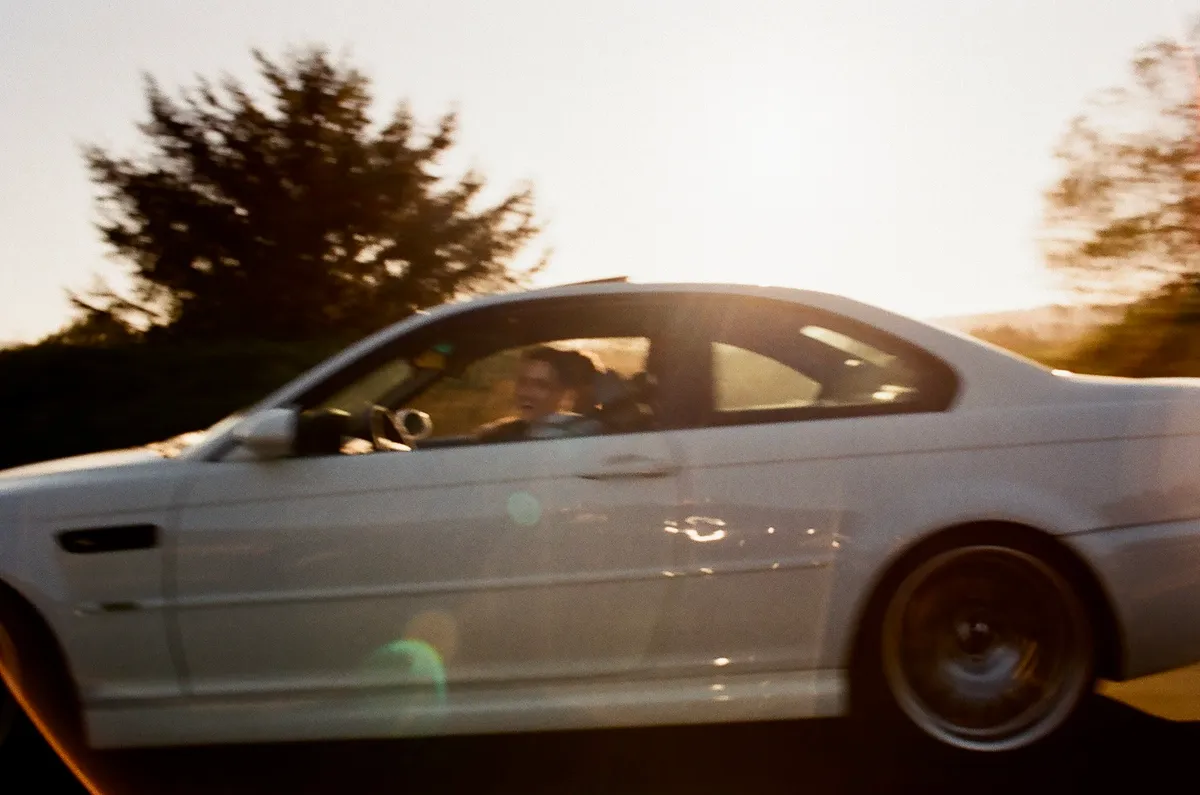
One roll that stuck with me was an overnight beach trip with friends. We were driving the backroads at golden hour, and the shots came back capturing exactly what that moment felt like. That’s the thing about this film. When the light is right, it doesn’t just record the scene, it holds onto the feeling of it.

Portra 400 vs CineStill 400D
People frame these as a versus, but I don’t really see it that way, because they’re so different. I love CineStill 400D for the opposite reasons I love Portra: it has a cooler look and that signature halation glow around the highlights. Portra is the warm, soft, nostalgic one. CineStill is the cold, cinematic one. I reach for whichever mood I’m after, not one over the other.
Is it worth the money?
Portra is expensive, but to me film is always the more expensive route no matter what you load. I don’t shoot a ton of it, so when I do it’s usually for a special moment or occasion, and at that point the cost is easy to justify. If you’re going to burn a roll on something that matters, this is a great one to burn it on.
Who it’s for
Portra 400 is for soft light and special moments. If you want that dreamy, warm, timeless look, this is your film. I could absolutely see it being perfect for weddings, senior photos, or any shoot where the goal is that gentle, romantic quality. If that’s what you’re chasing, load a roll and shoot it in good light.
Grab a roll of Kodak Portra 400 on Amazon →
If you want to see what I shoot it on, my Nikon FM2 review covers the camera that’s put most of my Portra through its paces.