Kodak Ektar 100 Review: The Best Film for Landscapes
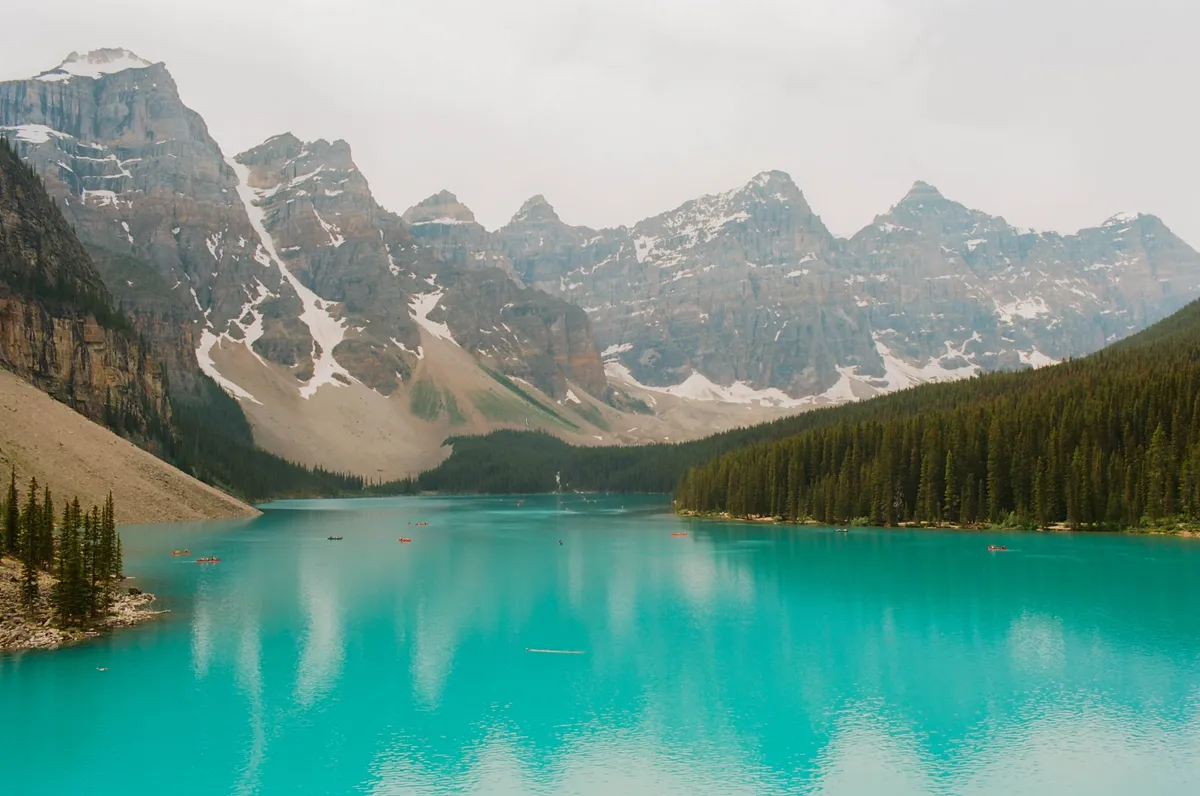
Kodak Ektar 100 is the film I load when the place is the subject. It’s an ISO 100 color negative film, C-41 like everything else, and the colors it gives you are genuinely unmatched. Nothing else I’ve shot puts that much saturation in a frame and still looks like a photograph instead of an edit. Here’s my honest take on it, how I shoot it, and the one thing it demands from you.
The look
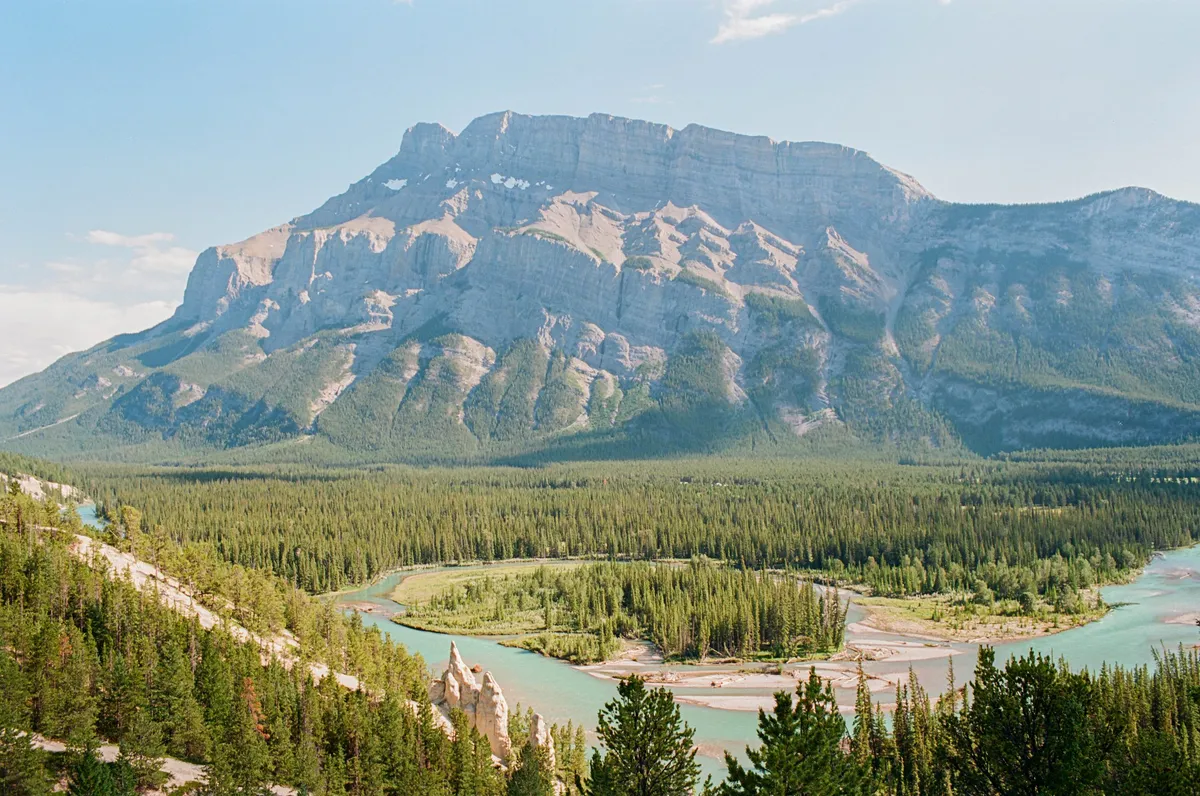
Kodak’s own words for it are “high saturation” and “ultra-vivid color”, and for once the marketing copy is accurate. Ektar isn’t like any other film I’ve shot. Blues and cyans go deep, greens get rich, and everything holds a level of color that you’d have to work for in post with anything else. If you get TIF files back from your lab, it also gives you a lot to work with in post.
They claim it’s the finest-grained color negative film available, period, not just at ISO 100. In practice, that means you can put it up on a wall at a real size, and it holds together.
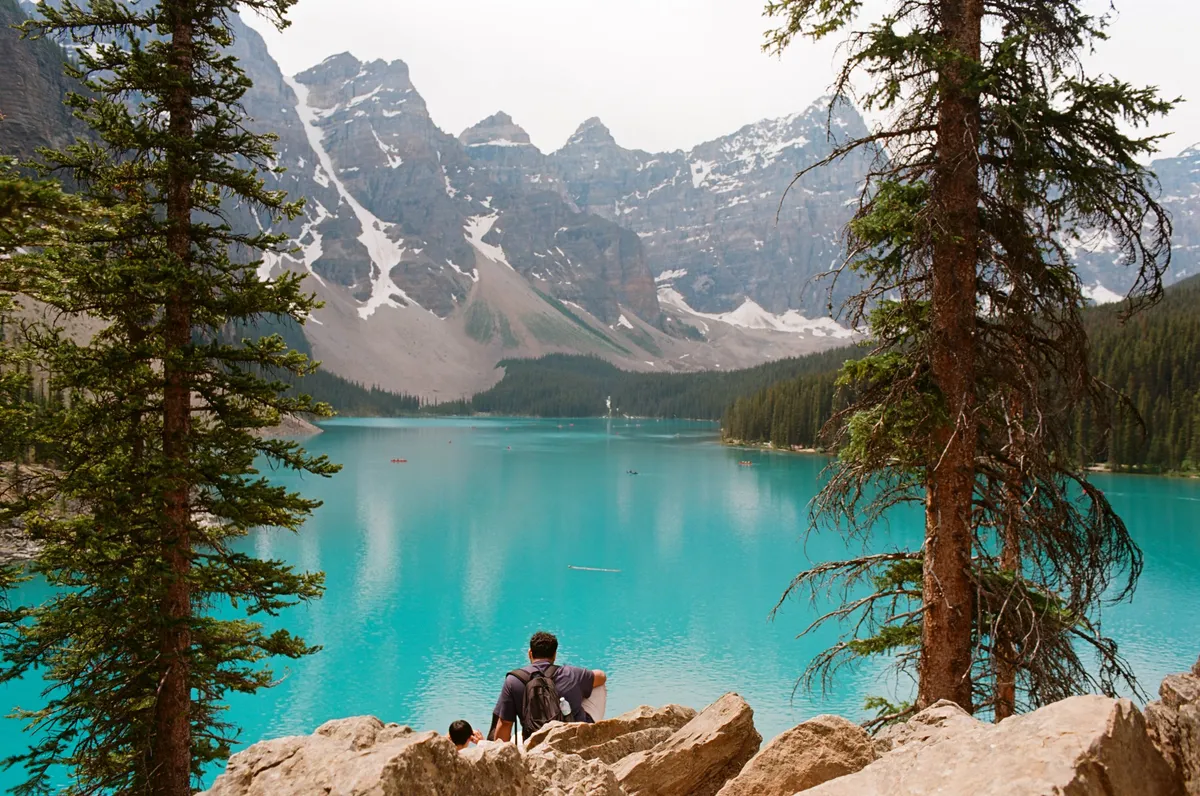
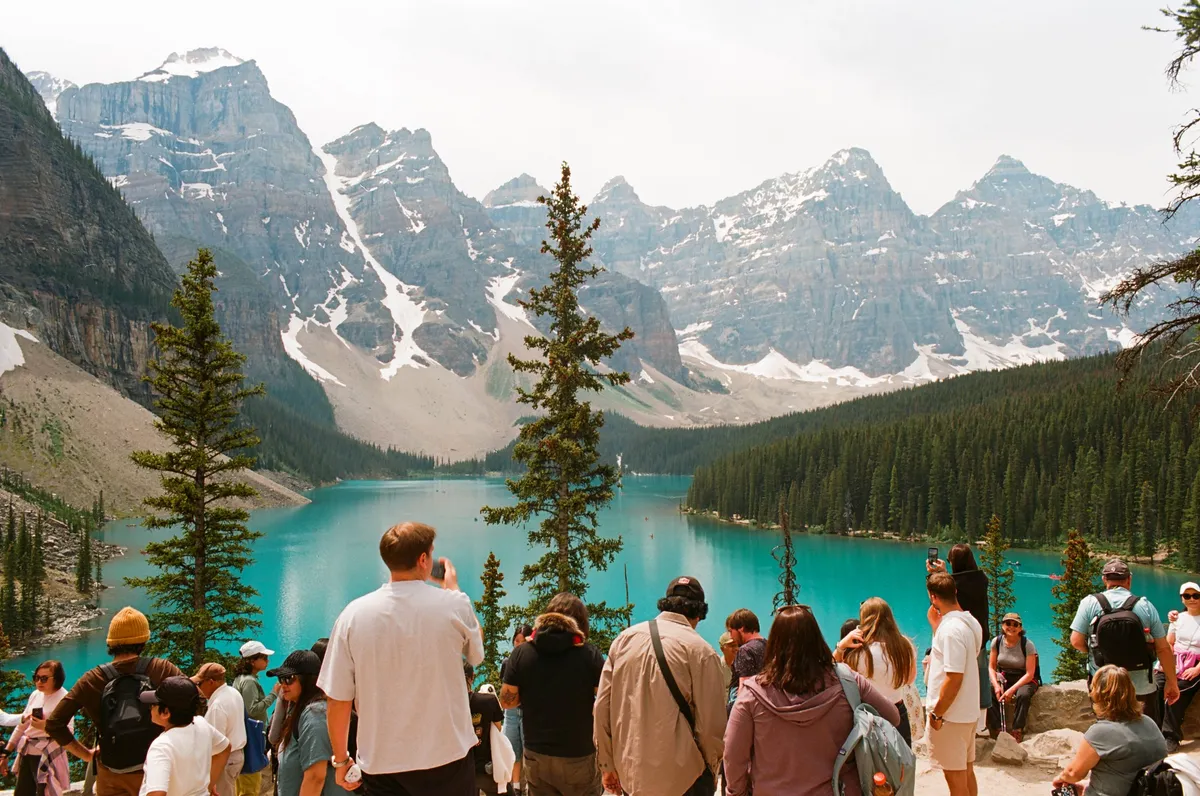
The turquoise in glacial water is where this film makes its case. On the shots I took at Moraine Lake, the water came back exactly as electric as it looked standing there, and I’ve never had a film do that for me before. It’s the same reason it works on skies. Ektar takes a blue and commits to it.
How I shoot it
Box speed, 100, developed normally. Unlike Porta, which I tend to shoot at 200 instead of the 400 box speed.
The reason is that Ektar doesn’t have Portra’s cushion. Portra will let you miss by a stop and hand you something usable anyway. Ektar won’t. Underexpose it, and you lose the shadows, and they can go blue on you. Overexpose it heavily, and the colors start shifting rather than just going bright. It wants an accurate meter reading, and it rewards you for giving it one.
Kodak doesn’t publish a latitude number for either film, so anything you read with a specific stop count is just someone reading the curves. But the consensus across labs and reviewers is consistent, and it matches what I’ve gotten: Portra is forgiving, Ektar is not.
It needs a lot of light
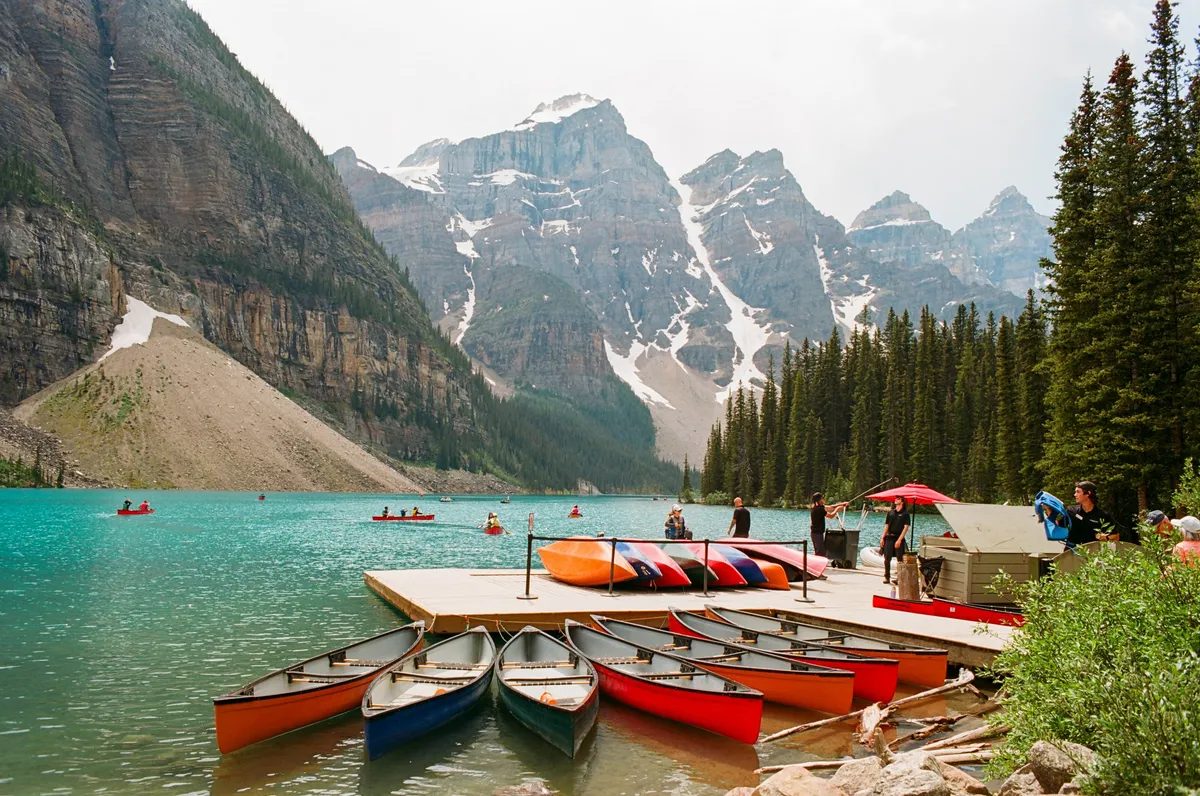
This is the real limitation, and it’s the thing I’d tell anyone before they buy a roll. Ektar absolutely needs light to give you its best color. At ISO 100 you’re already slow, and on top of that the film’s whole personality only shows up when you feed it plenty of sun.
The Moraine Lake photos were all shot around noon on a sunny day with almost no cloud cover. That’s not usually the light anyone recommends, and with most films I’d agree. But with Ektar, the harsh midday sun on that water is what pulled the color out.
So if you’re shooting in a forest, in shade, in a city with hard shadows, or anywhere overcast, this is the wrong roll. Load something faster and more forgiving. Ektar is a bright-day film.
Where it doesn’t work
People. Ektar renders skin warmer and redder than it actually is, and it’s a well-known enough characteristic that Kodak steers around it themselves. Their datasheet recommends the film for nature, travel, outdoor, fashion, and product work, and it never once says portrait. That word is reserved for Portra, and the Portra sheet says it outright.
If you’ve got people in a landscape at a normal size in the frame, it’s fine. If you’re shooting faces, use something else.
Ektar vs Portra
These are two different jobs, and I use them that way.

Ektar is for landscapes and for capturing the feel of a place. It needs full sunlight to work, and it gives you back more color than was in front of you.
Portra is for people. It doesn’t need full sun, it’s better at golden hour, and it’s the one I load for capturing a moment rather than a place. If you want the full breakdown on that one, my Portra 400 review is here.
Worth knowing if you go looking for it: Kodak rebranded the Portra line in March 2026, so Portra 160, 400, and 800 are now sold as Ektacolor Pro 160, 400, and 800. Same emulsions, new box. Ektar kept its name.
Film and digital, same lake
The shot below is digital. I took it at Moraine Lake on my Sony A7C II on the same trip, same water, same afternoon, and it’s a useful comparison because it shows what you’re actually choosing between.
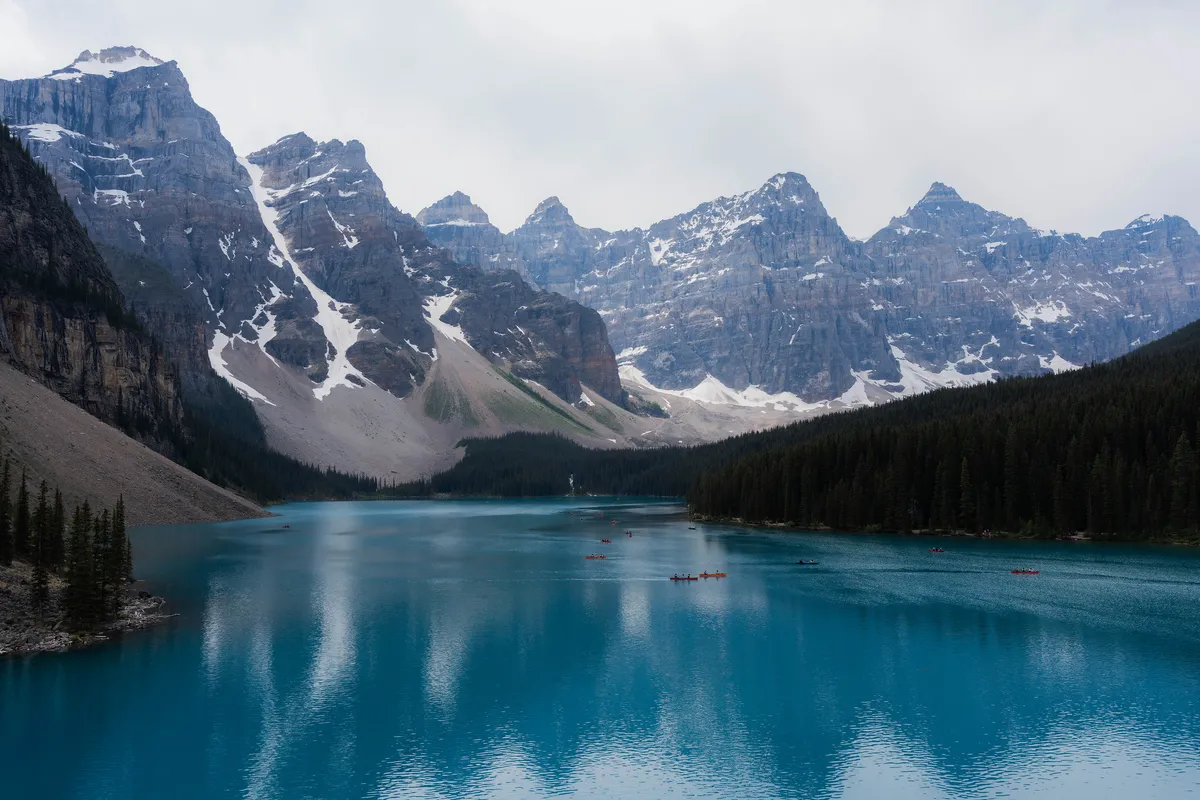
The digital file is more accurate. It’s cleaner, it has more dynamic range, and I can take the color anywhere I want in editing. The Ektar frames aren’t as flat, and that’s the whole reason I like them. The film already decided on that water before I ever saw the scan.
Nothing is stopping me from pushing saturation on a digital file until it looks like Ektar. I just don’t, and I think most people don’t, because deciding how much color to add is a harder problem than letting a film that’s already good at it handle it for you. If you want my thoughts on the camera, my A7C II review is here.
Is it worth it
Ektar runs about $17 a roll for 35mm right now, which puts it level with Portra. It used to be the cheaper option, and that gap has closed, so buy it because you want what it does, not to save money.
Film is expensive no matter what you load. What I’d say about Ektar specifically is that it’s the one I’d bring on a trip. If you’re going somewhere and the landscape is the reason you’re going, this is the roll.
Who it’s for
Ektar 100 is for landscapes, water, sky, and bright days. If you’re shooting mountains or coastline or anything glacial, and you’re going to be out in full sun, load it and meter carefully. Nothing else gives you that color.
Grab a roll of Kodak Ektar 100 on Amazon →
If you want the other side of the Kodak color lineup, my Portra 400 review covers the film I reach for when there are people in the frame, and my Nikon FM2 review covers the camera I shoot most of my film on.
Check out my Ektar 100 Moraine Lake Print